
Healing Across Cultures: Gut Wisdom & Blood Sugar Traditions
- Nargis Akhter

- Jul 22, 2025
- 4 min read
Updated: Jul 22, 2025
Nargis Akhter MBBS, MS, RDN, LDN, CLT | 07-22-2025
A Mindful Guide to Blood Sugar Balance with Global Recipes to Feed Your Microbiome

Insulin is like a key that helps sugar (glucose) move from your blood into your cells, where it’s used as energy or stored for later. Your muscles, liver, and fat cells are the main places where this “unlocking” happens.

Muscles soak up sugar and store it as fuel. Skeletal muscle is the primary organ for glucose disposal, accounting for up to 70% of glucose uptake in our body. A recent study suggests that microbial products derived from phenolic acids may increase glucose uptake in skeletal muscle under insulin-stimulated condition. Microbiota-produced phenolic metabolites are derived from ferulic acid, resveratrol, and berries. Insulin-independent glucose uptake is also activated by microbial metabolites.
Liver stores sugar and makes healthy fats as needed. The liver is a central organ that coordinates whole-body metabolism, including carbohydrate, lipid, and protein metabolism. Liver glucose uptake is not regulated by insulin but by blood glucose, in fact insulin decreases glucose production.
Fat cells hold energy and help keep sugar in balance. Adipose tissue is an energy storage organ.
Intestinal glucose production is suppressed by insulin and increased in insulinopenic states, such as a 48-h fasting and type 1 diabetes. protein-rich diets provide major IGN substrates, including glutamine and glutamate, these substrates can be utilized by IGN induced during the post-absorptive period.
It was recently reported that IGN protects against diabetes and obesity by suppressing hepatic gluconeogenesis and positively regulating glucose homeostasis
But when your body becomes insulin resistant, these tissues stop responding properly to insulin’s signal. That means:
Sugar stays in your blood instead of moving into your cells.
Your pancreas works overtime to make more insulin, trying to “shout louder”—a state called hyperinsulinemia.
Over time, this can lead to high blood sugar (hyperglycemia) and eventually type 2 diabetes.

When insulin resistance goes untreated, it becomes a vicious cycle and can trigger:
High cholesterol and triglycerides (hyperlipidemia)
Fat buildup in the liver (nonalcoholic fatty liver disease)
Metabolic syndrome (a cluster of issues like high blood sugar, belly fat, and high blood pressure)
Increased risk of heart disease
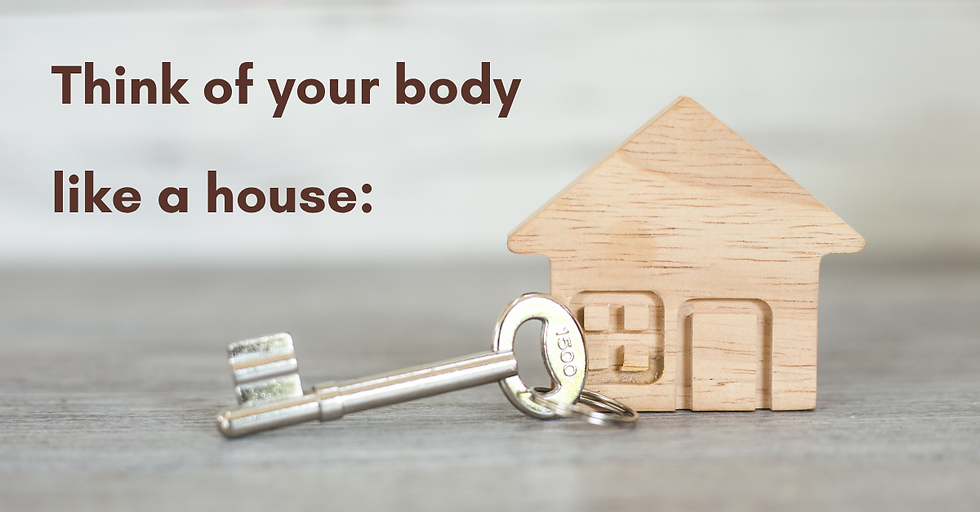
Insulin is the house key.
Sugar is the guest who needs to come inside and rest.
If the key doesn’t work, sugar stays outside crowding your “front porch” (bloodstream), leading to more stress on your “security system” (pancreas).
Blood sugar spikes: occur when glucose from the meal absorbs and floods the bloodstream faster than insulin can manage.
Gut microbiome: Gut microbiota influences insulin sensitivity through:
Production of short-chain fatty acids (SCFAs) like butyrate, which improve insulin response.
Regulation of GLP-1, a gut hormone that enhances insulin secretion and slows gastric emptying- https://www.medicalnewstoday.com/
iamhealth.org THE GUT-BLOOD SUGAR CONNECTION
Gut-Brain Integrity- Maintenance of gut barrier integrity,preventing inflammation that disrupts glucose metabolism. Akermansia muciniphila, strengthens gut lining, improves insulin sensitivity.

🛒 Step 1: Choose 3 Core Recipes
Moong Dal Khichdi (Pakistani) – fiber + anti-inflammatory spice
Smoothie Bowl (Scandinavia) – probiotic + polyphenols
Mediterranean Chickpea &Veggie Salad- (High fiber + Protein)
🍳 Step 2: Add 2 Breakfast Staples
Choose gut-friendly breakfasts that are easy to prep:
Overnight oats with flaxseed, berries, and kefir- Super easy overnight oats — Dietitian nutritionists for fertility, pregnancy, postpartum, PCOS, and more.
Savory miso soup with tofu and greens
Prep in bulk and store in jars or containers.
🥗 Step 3: Prep Gut-Loving Sides & Toppers
These add variety and microbial diversity:
Fermented salsa, pickled onions, or sauerkraut
Roasted sweet potatoes, lentils, or chickpeas
Yogurt-mint dressing or lemon-turmeric vinaigrette
Store separately to mix and match.
📦 Step 4: Batch Cook & Portion
Cook grains (Barley, quinoa) and legumes in bulk
Roast veggies with olive oil, garlic, and spices
Portion into containers: 3 lunches, 3 dinners, 2 flexible meals
Use glass containers or bento-style boxes for easy stacking.
🧠 Step 5: Layer in Mindfulness
Label meals with affirmations or cultural notes (e.g., “Khichdi: Grounding & Healing”)
Include a weekly journaling prompt with your prep (e.g., “What nourished me emotionally this week?”)
Pair meals with calming rituals—herbal tea, music, or breathwork
🌏 The journey to Whole Health isn’t one-size-fits-all—it’s a mosaic of ancestral wisdom, gut instinct, and conscious choice. Whether you’re steeped in herbal traditions or navigating food deserts with modern tools, your path to healing is valid, vibrant, and worthy of celebration.
As you reflect on your blood sugar story and the gut wisdom that lives within you, ask yourself: What traditions am I ready to reclaim—and which new ones can I mindfully create?



Comments