
10 Prophetic Eating Habits That Can Transform Your Health - And the Physiology Behind Them

Updated: Mar 22
Nargis Akhter RDN | 03-10-2026
As we come to the close of Ramadan, it wouldn’t feel right not to reflect on the Prophetic approach to eating. There is something deeply grounding about returning to this wisdom, simple, intentional, and timeless. What continues to amaze me is how these Sunnah‑based habits align so seamlessly with modern understandings of digestion, hormones, and metabolic health.
Here are ten Prophetic eating habits I’ve been weaving into my own life, each one gentle, practical, and supported by how the body actually works.
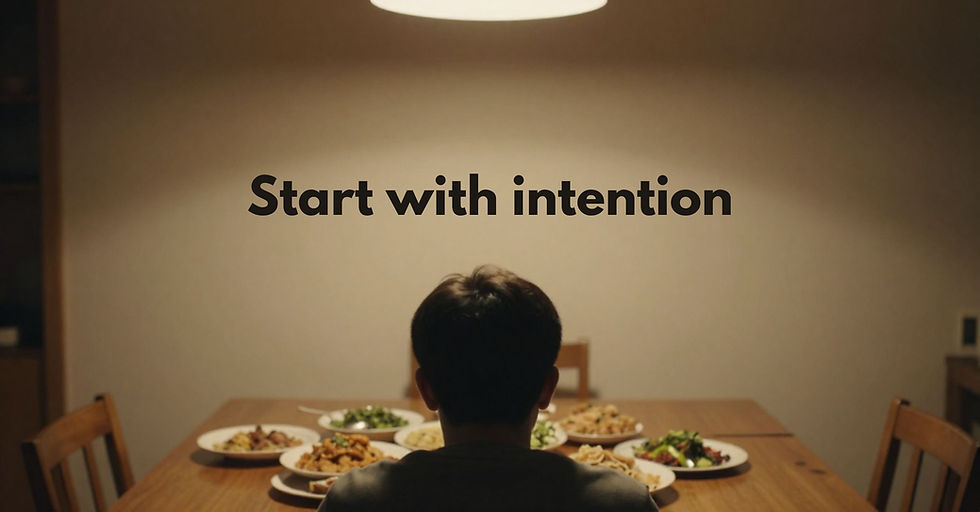
Before eating, I pause and remind myself why I’m eating: to nourish my body and honor the amanah Allah (SWT) gave me.
Physiology:
Intentional eating activates the parasympathetic nervous system (“rest and digest”), which improves digestion, reduces overeating, and helps the stomach release enzymes properly.

The Prophet ﷺ taught the 1/3 rule.
⅓ food – eat enough to nourish, not overfill
⅓ drink – leave room for fluids
⅓ empty – space for breathing and proper digestion
Why it’s significant
Spiritually, it encourages discipline, balance, and mindfulness
Physically, it supports better digestion, reduced bloating, and metabolic health
Mentally, it prevents lethargy and heaviness, especially important during and after Ramadan
For me, it simply means stopping at comfortable satisfaction.
Physiology:
Your stomach sends fullness signals to the brain through stretch receptors and hormones like leptin but these signals take 15–20 minutes. Stopping early prevents overeating and reduces bloating.

Dates, honey, barley, fruits, vegetables the foods the Prophet ﷺ loved were natural and unprocessed.
Physiology:
Whole foods stabilize blood sugar, support gut microbiome diversity, and reduce inflammation. They also digest more slowly, keeping you full longer.

Eating earlier in the day has been a game‑changer for my energy and sleep.
Physiology:
Your metabolism follows a circadian rhythm. Insulin sensitivity is higher earlier in the day, meaning your body handles food better. Late‑night eating disrupts digestion and sleep hormones.

Even a 10‑minute walk after dinner feels amazing.
Physiology:
Walking after meals helps muscles absorb glucose, reducing post‑meal blood sugar spikes. It also stimulates gut motility, reducing bloating and constipation.

Small sips, not gulps, and avoiding ice‑cold water.
Physiology:
Slow sipping prevents stomach distension and supports enzyme activity. Extremely cold water can temporarily slow digestion by constricting blood vessels in the stomach.

Honey, black seed, olive oil, dates, talbina. I use them intentionally, not excessively.
Physiology:
• Honey supports gut bacteria
• Black seed contains thymoquinone, a natural anti‑inflammatory compound
• Olive oil supports heart and metabolic health
• Dates provide fiber and minerals
• Barley (talbina) contains beta‑glucan, which supports digestion and satiety

Eating slowly with shukr changes the whole experience.
Physiology:
Calm eating keeps you in the parasympathetic state, improving digestion, nutrient absorption, and reducing stress hormones like cortisol.

Prophetic medicine is all about balance, no extremes.
Physiology:
Extreme diets stress the body, disrupt hormones, and slow metabolism. Moderate eating supports stable blood sugar, steady energy, and long‑term health.

The Prophet ﷺ taught us to stop eating when we feel satisfied.
Physiology:
Your body communicates through hunger hormones like ghrelin and fullness hormones like CCK and leptin. Honoring these signals supports natural weight regulation.

These habits aren’t about restriction, they’re about alignment:
Alignment with your body.
Alignment with your faith.
Alignment with a calmer, more intentional way of living.


Comments