
All About Cholesterol!

Updated: Feb 19
Nargis Akhter RDN | 02-17-2026
What is Cholesterol?
Cholesterol’s name comes from the Greek words kholē, or bile (since it was first isolated from gallstones), and stereos, or solid, which indicates that it’s part of a class of molecules that are known collectively as sterols. (The term “steroids” comes from this common root.)
Cholesterol is fatty and doesn’t mix well with blood, so it travels in our blood via a protein “wrapper” known as a lipoprotein.

HDL - High density lipoprotein. It has more proteins and less lipids. This is called “good” cholesterol, because it helps lower the risk of heart attack, stroke, and other health problems.
It takes up excess cholesterol and brings it to the liver for disposal.
LDL - Low density lipoprotein. It has less protein and more lipids. This is the “bad” cholesterol, because high levels increase the risk of heart attack, stroke, and other health problems.
It transports cholesterol and fat from the liver to the rest of the body. It is needed by the body to make
VLDL - Very low density lipoproteins. VLDL particles are synthesized in the liver and primarily transport endogenous triglycerides (those made within the body) to peripheral tissues.
Rich in triglycerides, with smaller amounts of cholesterol and proteins.
Clinical Insight: Elevated VLDL is often associated with insulin resistance, metabolic syndrome, and increased cardiovascular risk. Since VLDL carries triglycerides, its level is often estimated by dividing triglyceride value by 5 (in mg/dL units).
Triglyceride - 3 molecules of fat attached to one glycerol - They’re the body’s main form of stored fat and a key energy source.
Endogenous: Synthesized in the liver.
Exogenous: Derived from dietary fats.
Elevated triglycerides can signal poor metabolic health, especially when paired with low HDL and high VLDL.
Lipid Type | Normal Range | Notes |
HDL (High-Density Lipoprotein) | 40 - 50 > 60 : Ideal | Higher values are protective against heart disease. |
LDL (Low-Density Lipoprotein) | < 100 : Optimal 100 -129 : Near optimal 130 -159 : Borderline | Low values reduce cardiovascular risk |
VLDL (Very Low-Density Lipoprotein) | < 30 | Transports triglycerides. Elevated levels may indicate metabolic issues. |
Triglycerides | < 150 | High levels are linked to increased risk of heart disease and pancreatitis |
Cholesterol comes from two main sources—endogenous production and dietary intake. Here's a breakdown tailored for your holistic nutrition lens:
1. Endogenous (Internal) Sources
Liver Production: Your liver produces about 75–80% of the cholesterol in your body. It’s essential for:
Cell membrane integrity
Hormone synthesis (e.g., estrogen, testosterone, cortisol)
Vitamin D production
Bile acid formation for fat digestion
This internal production is tightly regulated by feedback mechanisms—when dietary intake increases, liver synthesis typically decreases (though not always efficiently in some individuals).
2. Dietary (External) Sources
Cholesterol is found only in animal-based foods. Here are some key contributors:
Food Source | Cholesterol Content | Notes |
Egg yolks | 186 mg per egg | Nutrient-dense but high in cholesterol; safe in moderation for most. |
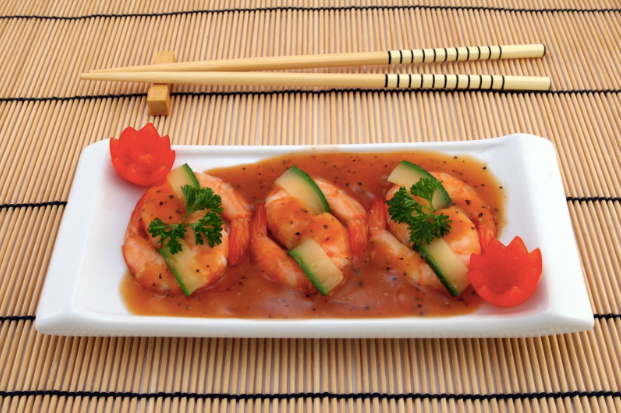
Shellfish (e.g., shrimp) | 170–214 mg per 4 oz | High in cholesterol but low in saturated fat. |
Organ meats (liver, kidney) | 300+ mg per 3 oz | Rich in vitamins but very high in cholesterol. |
Cheese & full-fat dairy | Varies by type | Saturated fat content also impacts LDL levels. |
Red meat (especially processed) | Moderate to high | Often paired with saturated fats and additives. |
Fast food & baked goods | Indirect source | Often high in trans fats and saturated fats, which raise LDL. |
Cholesterol in Food vs. Cholesterol in Blood
Factor | Impact on Blood Cholesterol | Explanation |
Dietary Cholesterol | Minimal to moderate effect (varies by individual) | Most people’s bodies adjust by reducing internal production. |
Saturated Fat | Significant increase in LDL (“bad” cholesterol) | Alters liver metabolism and LDL receptor activity. |
Trans Fats | Strongly raise LDL and lower HDL | Found in processed foods; worst for heart health. |
Unsaturated Fats | Can lower LDL and raise HDL | Found in nuts, seeds, olive oil, fatty fish—supportive of heart health. |
Fiber (especially soluble) | Helps lower LDL cholesterol | Binds bile acids and promotes excretion, forcing the liver to use more cholesterol. |
It’s not just about how much cholesterol is in your food—it’s about the kind of fat that surrounds it.
For example:
Eggs: High in cholesterol, but low in saturated fat—safe for most people.
Butter & fatty meats: Moderate cholesterol, but high in saturated fat—more likely to raise LDL.

What is hypercholesterolemia?
Hyper - High
Choles - Cholesterol
Emia - In blood
High cholesterol in blood
What are the risk factors?
Non-Modifiable Risk Factors: These are factors you can't change, but they help guide screening and early intervention:
Genetics: Familial hypercholesterolemia (FH) causes very high LDL from a young age.
Age: Cholesterol levels tend to rise with age.
Sex: Men typically have higher LDL earlier in life; postmenopausal women may see LDL rise.
Family History: A history of early heart disease or high cholesterol increases risk.
Modifiable Lifestyle Factors: These are the ones you can influence through behavior and lifestyle
Diet high in saturated and trans fats: Raises LDL and total cholesterol
Physical inactivity: Reduces HDL and contributes to weight gain.
Smoking: Damages blood vessels and lowers HDL.
Excess alcohol: Can raise total cholesterol and triglycerides.
Stress: May elevate cholesterol via hormonal pathways.
Poor sleep: Linked to lower cardiovascular health and altered lipid metabolism
Medical Conditions That Increase Risk. These often overlap with lifestyle factors and may require medication
Type 2 Diabetes: Lowers HDL and raises LDL.
Obesity: Associated with high triglycerides and low HDL.
Hypothyroidism: Slows metabolism, raising LDL.
Chronic kidney or liver disease
Polycystic Ovary Syndrome (PCOS)
Sleep apnea
HIV/AIDS and lupus: Both the condition and treatments can affect lipid levels
Medications That May Raise Cholesterol
Beta-blockers
Diuretics (e.g., thiazides)
Immunosuppressants (e.g., cyclosporine)
Chemotherapy agents
Certain antiretrovirals

1. Prioritize Heart-Healthy Fats
Choose:
Monounsaturated fats (olive oil, avocado, nuts)
Polyunsaturated fats (fatty fish, flaxseed, walnuts)
Limit:
Saturated fats (red meat, butter, full-fat dairy, cheese)
Trans fats (processed snacks, baked goods, margarine)
Lower triglycerides (avoid sugary foods, fried foods, and alcohol)
Replacing saturated fats with polyunsaturated fats can reduce coronary heart disease risk by up to 19%.
To manage hypercholesterolemia through nutrition:
The goal is to:
Lower LDL
Raise HDL,
Reduce triglycerides
2. Increase Soluble Fiber
Soluble fiber binds cholesterol in the gut and prevents absorption.
Sources:
Oats, barley, legumes
Apples, pears, Brussels sprouts
Psyllium husk
Aim for 5–10g of soluble fiber daily to reduce LDL cholesterol.
3. Add Omega-3 Fatty Acids
These help lower triglycerides and support HDL.
Sources:
Salmon, mackerel, sardines, trout
Flaxseed, chia seeds, walnut
Two servings of fatty fish per week are recommended by the American Heart Association.
4. Embrace Plant Sterols & Stanols
These naturally block cholesterol absorption.
Sources:
Fortified foods (e.g., spreads, orange juice)
Nuts, seeds, whole grains
5. Reduce Refined Carbs & Added Sugars
High sugar intake can raise triglycerides and lower HDL.
Limit:
Soda, pastries, white bread
Sweetened cereals and snacks
6. Watch Sodium & Processed Foods
While not directly tied to cholesterol, excess sodium contributes to hypertension—a common comorbidity.
7. Integrate Mindful Eating
Try to:
Eat slowly and intentionally
Recognize emotional triggers
Choose foods that nourish both body and mind

Developed by the National Institutes of Health, the TLC Diet is designed to lower LDL cholesterol and improve heart health through dietary and lifestyle changes.
Core Principles
Limit saturated fat to <7% of daily calories
Cholesterol intake: <200 mg/day
Increase soluble fiber: 10–25g/day
Add plant stanols/sterols: ~2g/day
Maintain healthy weight and increase physical activity
Eat More Of | Limit/Avoid |
Fruits, vegetables, legumes | Fatty red meats |
Whole grains, oats, barley | Full-fat dairy |
Lean poultry, fish | Processed meats |
Olive oil, nuts | Sugary snacks, alcohol |
Outcomes
LDL reduction by up to 30% when combined with exercise
Also improves triglycerides, blood pressure, and weight management



Comments