
Staying Nourished on GLP-1 Medications: A Dietitian’s Guide to Protein, Micronutrients, and Gut Health

Nargis Akhter MBBS, MS, RDN, LDN, CLT | 08-05-2025

GLP-1 receptor agonists like semaglutide and liraglutide are transforming the landscape of weight management and metabolic health. While these medications offer powerful benefits like appetite regulation, improved glycemic control, and sustainable weight loss.. they also introduce new nutritional challenges. Reduced hunger, slower gastric emptying, and altered food preferences can make it harder for patients to meet their nutritional needs.
As a dietitian, I believe that every bite should count. Whether you're supporting patients on GLP-1s or navigating your own journey, here’s how to stay nourished, energized, and gut-happy with a mindful, whole-health approach.

Protein is essential for preserving lean muscle mass, supporting satiety, and stabilizing blood sugar especially when appetite is reduced.
Smart strategies:
Include protein, at least 20-30g at every meal and 5-10g at every snack.
Choose easily digestible options like Greek yogurt, eggs, tofu, or soft-cooked lentils.
Blend smoothies with protein powder, nut butter, and fiber-rich fruits for a gentle, nutrient-dense option.
Smaller, softer portions can be better tolerated . Think cottage cheese with berries or scrambled eggs with sautéed spinach.

Smaller meals mean fewer opportunities to get essential vitamins and minerals. Focus on foods that deliver maximum nutrition per bite.
Top picks:
Leafy greens (iron, folate, magnesium)
Sweet potatoes (vitamin A, potassium)
Mushrooms (vitamin D, selenium)
Cabbage, broccoli (iodine, trace minerals)
Quick tip! A warm quinoa bowl with roasted vegetables, tahini drizzle, and grilled salmon offers protein, fiber, and a spectrum of micronutrients.

GLP-1 medications slow digestion, which can lead to constipation, bloating, or discomfort. A gut-supportive diet helps regulate motility and enhances natural GLP-1 production.
Gut-friendly choices:
Soluble fiber: oats, chia seeds, flaxseeds
Prebiotics: garlic, onions, asparagus, bananas
Fermented foods: kefir, kimchi, sauerkraut, miso
Lifestyle tip: Encourage patients to walk after meals, chew slowly, and stay hydrated to support digestion.

Reduced thirst and slower digestion can lead to dehydration. Electrolyte-rich fluids help maintain energy and prevent fatigue.
Suggestions:
Sip water throughout the day—don’t wait for thirst.
Add lemon, cucumber, or a pinch of sea salt to water.
Try coconut water or homemade electrolyte drinks with citrus and a dash of maple syrup.

GLP-1s can shift the emotional relationship with food. Patients may feel disconnected from hunger cues or overwhelmed by new eating patterns.
Empower with mindfulness:
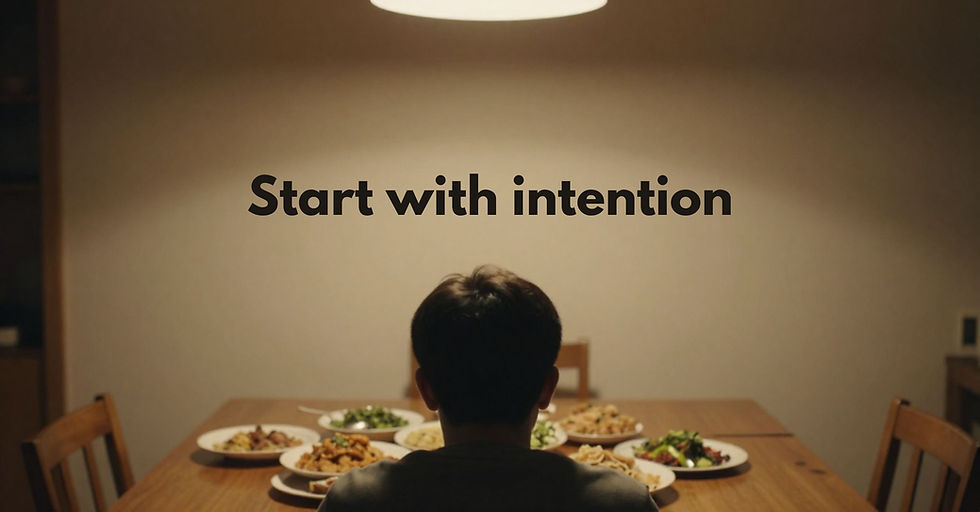
Encourage intentional meals, free from distractions.
Validate emotional shifts and offer compassionate guidance.
Use journaling, affirmations, or gentle movement to reconnect with the body.
GLP-1 medications are powerful tools—but they’re not magic bullets. Nutrition remains foundational. By focusing on protein, micronutrients, gut health, and emotional mindfulness, we can help patients thrive—not just lose weight.
If you're a dietitian looking for ready-to-use handouts or guides that translate these strategies into practical tools, explore my digital storefront coming soon at The Whole Health Mindful Café. Together, we can empower patients with clarity, compassion, and culturally mindful care.


Comments