
Seed Synergy for Healing: A Guide for Patients with Diabetes & Chronic Illness

Updated: Sep 11, 2025
Nargis Akhter RDN | 09-09-2025

How key nutrients in seeds interact to support metabolic health, inflammation control, and hormonal balance.
Why Seeds?
Tiny but mighty: rich in fiber, healthy fats, protein, and antioxidants
Support blood sugar regulation, reduce inflammation, and improve lipid profiles
Easy to incorporate into diverse cultural diets
Health Benefits
Diabetes: stabilize blood glucose, improve insulin sensitivity
Heart Disease: lower LDL, raise HDL, reduce blood pressure
Obesity & Metabolic Syndrome: promote satiety, reduce cravings
Inflammatory Conditions: antioxidant and anti-inflammatory effects
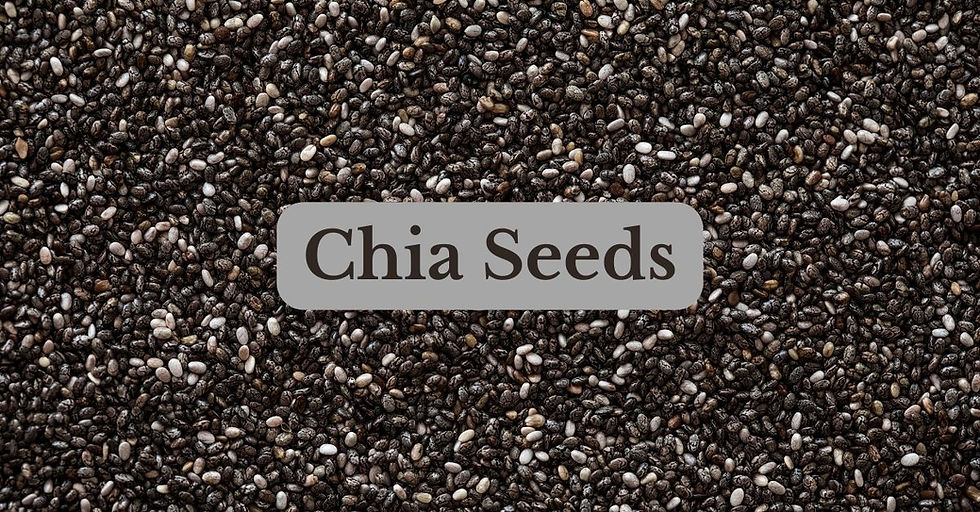
Key Nutrients: Omega-3 (ALA), soluble fiber, magnesium, calcium, antioxidants
Interactions & Benefits:
Omega-3 + Fiber: ALA reduces inflammation while soluble fiber slows glucose absorption, stabilizing postprandial blood sugar.
Magnesium + Calcium: Supports insulin signaling and muscle function, reducing insulin resistance.
Antioxidants: Protect pancreatic beta cells from oxidative damage.
Clinical Insight: Chia’s gel-forming fiber delays gastric emptying, which flattens glucose curves and enhances satiety—ideal for glycemic control.

Key Nutrients: Lignans, omega-3 (ALA), soluble & insoluble fiber, magnesium
Interactions & Benefits:
Lignans + Fiber: Lignans act as phytoestrogens and antioxidants, while fiber binds bile acids, lowering LDL and improving gut microbiota.
Omega-3 + Magnesium: Reduces systemic inflammation and improves insulin sensitivity.
Hormonal Modulation: Lignans support estrogen balance, beneficial in PCOS and menopause-related insulin resistance.
Clinical Insight: Flax’s dual fiber profile enhances both cholesterol clearance and microbial diversity—critical for metabolic resilience.

Key Nutrients: Magnesium, zinc, tryptophan, iron, phytosterols
Interactions & Benefits:
Magnesium + Zinc: Essential for insulin receptor function and glucose transport.
Tryptophan + Zinc: Supports serotonin synthesis and mood regulation, which can reduce emotional eating.
Phytosterols: Compete with dietary cholesterol for absorption, lowering LDL.
Clinical Insight: Magnesium deficiency is common in diabetes—pepitas offer a bioavailable source that supports glycemic control and blood pressure regulation.

Key Nutrients: Vitamin E, selenium, phytosterols, B vitamins
Interactions & Benefits:
Vitamin E + Selenium: Synergistic antioxidant pair that reduces oxidative stress and protects vascular endothelium.
Phytosterols + B6: Lower cholesterol and support neurotransmitter synthesis, improving mood and metabolic function.
Clinical Insight: Sunflower seeds are particularly helpful in reducing inflammation markers like CRP, which are elevated in chronic illness.

Key Nutrients: Sesamin, magnesium, calcium, zinc, polyphenols
Interactions & Benefits:
Sesamin + Magnesium: Improves lipid metabolism and reduces blood pressure.
Calcium + Zinc: Supports bone health and immune function, often compromised in long-term diabetes.
Polyphenols: Combat oxidative stress and modulate inflammatory pathways.
Clinical Insight: Sesamin has shown promise in reducing hepatic fat accumulation and improving liver enzymes—key in metabolic syndrome.

Key Nutrients: Galactomannan (soluble fiber), trigonelline, saponins, iron Interactions &
Interaction & Benefits:
Galactomannan + Trigonelline: Slows carbohydrate absorption and enhances insulin secretion.
Saponins + Iron: Support lipid metabolism and prevent anemia, common in chronic illness.
Gut Modulation: Acts as a prebiotic, improving microbiome diversity.
Clinical Insight: Fenugreek’s fiber forms a viscous gel that delays glucose absorption and improves postprandial glycemia.

Key Nutrients: Thymoquinone, essential fatty acids, antioxidants
Interactions & Benefits:
Thymoquinone + EFAs: Potent anti-inflammatory and insulin-sensitizing effects.
Antioxidants + Polyphenols: Protect against oxidative damage to pancreatic cells and improve endothelial function.
Clinical Insight: Kalonji has shown promise in reducing fasting glucose, HbA1c, and improving lipid profiles in clinical trials.
Mindful Eating Tip
Eat seeds with intention. Reflect on their healing properties and how they nourish your body and soul. In Islamic tradition, black seed (Kalonji) is known as a cure for many ailments—use it with gratitude and balance.
Daily Seed Intake Guide
Seed | Recommended Amount | Notes |
Chia | 1 – 2 tablespoons | Rich in fiber, omega-3s, and antioxidants. Can be eaten whole or soaked. |
Flax (ground) | 1 tablespoon | Best consumed ground for absorption. Supports hormone balance and heart health. |
Pumpkin | 1 tablespoon | High in magnesium, zinc, and iron. Great for immunity and sleep. |
Fenugreek | ½ teaspoon | Supports blood sugar regulation and lactation. Best soaked or sprouted. |
Kalonji (Nigella) | ½ teaspoon | Anti-inflammatory and immune-boosting. Use as garnish or in spice blends. |
Sesame | 1 – 2 tablespoons | High in calcium and lignans. Excellent for bone health and hormone support. |
Seed Nutrient Interaction Chart
This chart visually maps how each seed’s nutrients interact to support key metabolic and clinical outcomes. You can use it in your presentation or as a reference handout for professionals.
Seed | Key Nutrients | Synergistic Interactions | Clinical Benefits |
Chia | Omega-3 (ALA), soluble fiber, magnesium | ALA + fiber = reduced inflammation + slower glucose absorption | Stabilizes blood sugar, improves lipid profile |
Flaxseed | Lignans, omega-3, fiber, magnesium | Lignans + fiber = cholesterol clearance + hormonal balance | Lowers LDL, supports insulin sensitivity, PCOS support |
Pumpkin | Magnesium, zinc, tryptophan, iron | Magnesium + zinc = enhanced insulin receptor function | Improves glucose uptake, mood, and sleep |
Sunflower | Vitamin E, selenium, phytosterols | Vitamin E + selenium = antioxidant synergy for vascular protection | Reduces oxidative stress, supports heart health |
Sesame | Sesamin, magnesium, calcium, polyphenols | Sesamin + magnesium = improved lipid metabolism + blood pressure regulation | Supports bone health, lowers BP, antioxidant protection |
Fenugreek | Galactomannan, trigonelline, saponins | Fiber + trigonelline = slowed carb absorption + enhanced insulin secretion | Reduces postprandial glucose spikes, improves lipid profile |
Kalonji | Thymoquinone, EFAs, antioxidants | Thymoquinone + EFAs = anti-inflammatory + insulin sensitizing effects | Lowers HbA1c, protects beta cells, supports immunity |



Comments